




Emergency Oral Surgery Henderson NV: Expert Care When You Need It Most
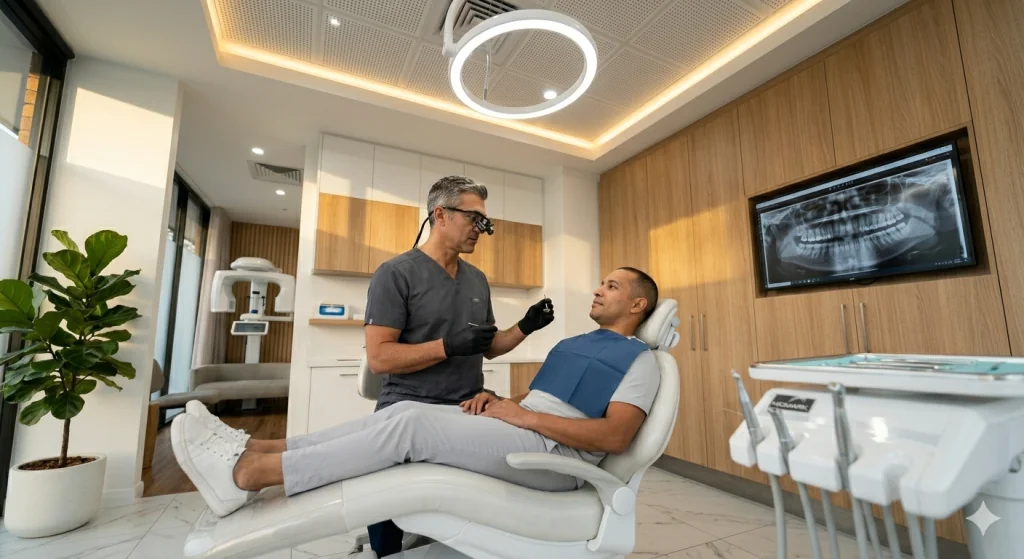
Emergency oral surgery in Henderson, NV, is designed to address urgent dental issues that cannot wait for a regular appointment. Whether someone is dealing with severe tooth pain, a broken tooth, or an injury, prompt care is essential to prevent complications.
The key to managing dental emergencies in Henderson is quick access to skilled oral surgeons who provide relief and effective treatment when it matters most. These experts use modern techniques to ensure patient comfort and successful healing.
Understanding when to seek emergency oral surgery and knowing what to expect can ease anxiety and improve outcomes. The local dental community focuses on clear communication, compassionate care, and guiding patients through every step of recovery.
When to Seek Urgent Dental Care
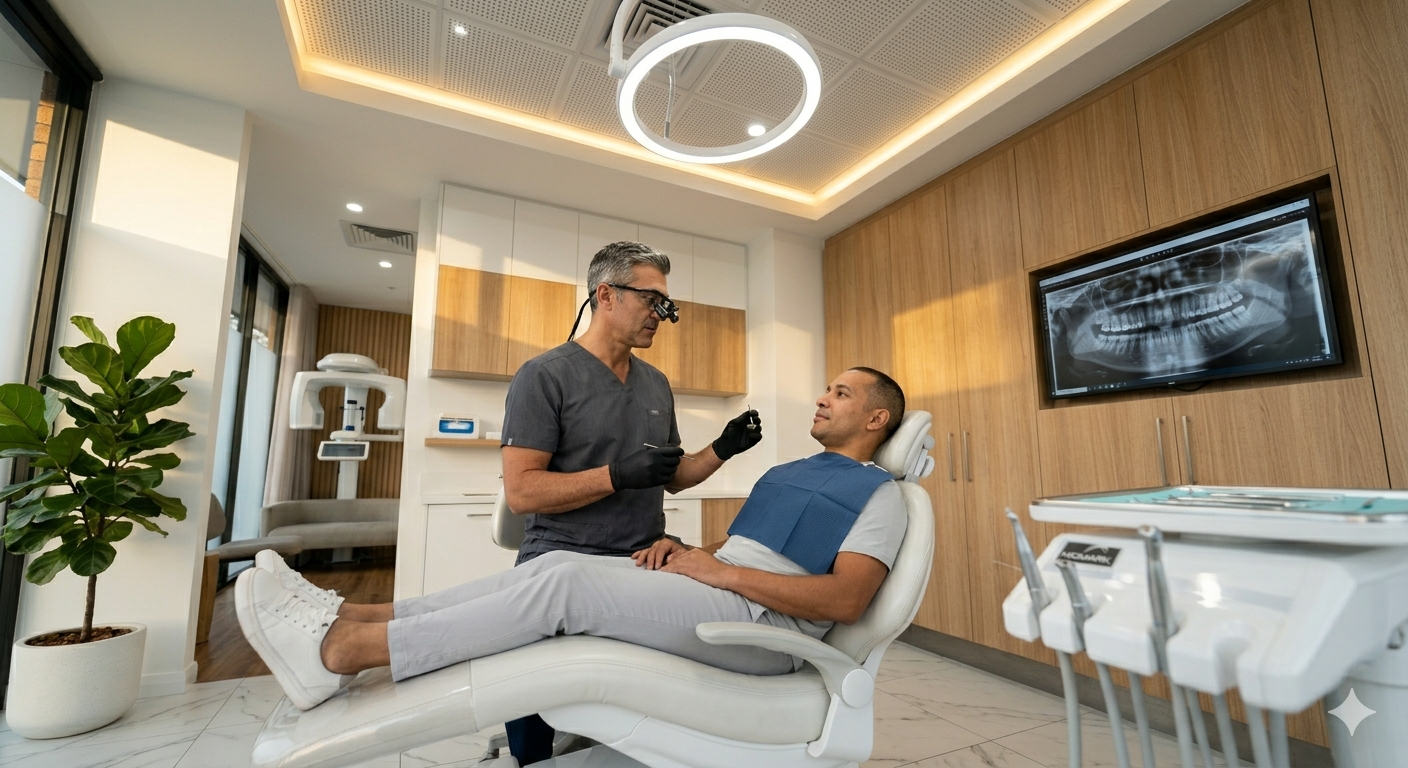
Knowing when to act on a dental problem can protect your smile and overall health. Some signs and symptoms require immediate attention to prevent further damage or pain. Being aware of these warning signals helps ensure timely treatment and better outcomes.
Recognizing Dental Emergencies
Dental emergencies often involve severe pain, bleeding, or trauma. Intense toothache that doesn’t improve with over-the-counter painkillers should never be ignored. Similarly, uncontrolled bleeding from the mouth or gum injuries needs prompt care.
Other emergencies include a knocked-out tooth, which requires immediate action to save it. Swelling in the face or jaw, difficulty breathing or swallowing, and sudden loosening of teeth also call for urgent dental evaluation. Pain combined with fever may indicate infection, demanding quick attention to avoid complications.
Common Causes for Immediate Attention
Emergency oral surgery in Henderson, NV often begins with injuries like falls, sports accidents, or biting down on something hard. Cracked or fractured teeth, abscesses forming due to infection, and severe gum disease flare-ups are frequent reasons patients seek urgent help.
Dental trauma, such as chipped front teeth, not only looks concerning but could affect nerves if untreated. Advanced infections can spread quickly, causing swelling, pain, and systemic illness. Identifying these causes early allows dentists to intervene before problems worsen.
How Delaying Treatment Affects Outcomes
Delaying urgent dental care can lead to serious consequences. An untreated infection might spread to surrounding tissues and bone, increasing pain and complexity of treatment. What could start as a minor chip might develop into nerve damage requiring root canal or extraction.
Waiting too long can mean more invasive procedures, longer recovery, and higher costs. In cases of trauma, delayed care reduces the chances of saving damaged or knocked-out teeth. Prompt treatment improves healing, reduces discomfort, and helps maintain oral health effectively.
Types of Emergency Oral Surgery Procedures
Emergency oral surgery in Henderson, NV, addresses sudden, severe dental problems that require immediate care. These procedures relieve pain, control infection, and restore damaged dental structures to protect overall health.
Tooth Extractions for Severe Pain
When a tooth is too damaged or infected, an emergency extraction may be necessary. This procedure removes the problematic tooth to stop intense pain and prevent the spread of infection. It’s common for teeth with deep decay, fractures, or failed root canals to require urgent extraction.
The process is quick and performed under local anesthesia to keep the patient comfortable. After removal, the area is cleaned thoroughly to reduce the risk of complications like dry socket. Dentists provide clear aftercare instructions to promote healing and manage discomfort.
Treatment for Dental Infections and Abscesses
Dental infections and abscesses can cause severe swelling, fever, and persistent pain. Emergency surgery often involves draining the abscess to remove pus and reduce pressure. Antibiotics are typically prescribed alongside surgery to control infection.
If the infected tooth can be saved, root canal therapy may be performed. In more severe cases, extraction is necessary to prevent the infection from spreading to other parts of the head or body. Prompt treatment is crucial to avoid complications.
Surgical Management of Facial Trauma
Facial injuries involving broken jaws, fractured teeth, or soft tissue damage require emergency oral surgery. Surgeons stabilize broken bones, repair damaged tissues, and sometimes reposition teeth to restore both function and appearance.
This treatment is often coordinated with other medical specialists, especially after accidents or sports injuries. Using modern imaging and surgical techniques, outcomes are improved while minimizing recovery time. Immediate care helps reduce long-term problems and supports healing.
What to Expect During Your Visit
Patients visiting for emergency oral surgery in Henderson, NV can expect a focused approach on managing pain, thorough diagnostics, and a treatment plan tailored to their specific condition. The process prioritizes comfort and clear communication to help patients feel supported throughout their care.
Pain Relief and Comfort Options
At the start of the visit, the dental team will address pain immediately. They offer various options such as local anesthesia, nitrous oxide (laughing gas), or IV sedation depending on the severity of pain and patient anxiety.
Local anesthesia numbs the affected area quickly, keeping patients comfortable during the procedure. For those feeling nervous, nitrous oxide helps reduce anxiety without knocking you out completely. In more complex cases, IV sedation may be used to provide deeper relaxation while allowing the patient to respond if needed.
The staff also monitors pain levels continuously and can adjust medication or sedation as the treatment progresses to ensure maximum comfort.
Diagnostic Process and Imaging
A thorough diagnostic process is critical in emergency oral surgery. After the initial exam, the dentist typically uses digital X-rays or 3D cone beam imaging to get a detailed view of the problem.
These images reveal fractures, infections, or impacted teeth clearly, helping the team understand the full extent of the injury or condition. Digital imaging is fast and exposes the patient to minimal radiation.
The dentist will explain the findings clearly, showing images if needed, so the patient fully understands the situation. This transparency helps patients feel involved in the decisions about their care.
Personalizing Your Treatment Plan
Every emergency case is unique, so the treatment plan is customized based on the diagnostic results and patient needs. Factors such as overall health, pain tolerance, and urgency influence the recommended procedures.
The dentist discusses all options openly, including extraction, repair, or infection control, with details on recovery time and aftercare. Patients can ask questions and express their concerns before proceeding.
Personalized care also includes planning follow-up visits, prescribing medications if necessary, and giving instructions to promote healing. The goal is to restore dental health efficiently while making sure patients feel supported at every step.
Aftercare and Recovery Tips
Proper care after emergency oral surgery in Henderson, NV, is essential to support healing and prevent complications. Patients should focus on pain management, follow clear dietary and oral hygiene steps, and be alert to any signs that require prompt attention.
Managing Discomfort at Home
Pain and swelling are common after oral surgery, but they can be controlled with simple methods. Applying an ice pack to the cheek for 15-minute intervals during the first 24 hours helps reduce swelling. Over-the-counter pain relievers like ibuprofen or acetaminophen usually manage pain well, but patients should take medication exactly as prescribed.
Rest is important, and patients should keep their head elevated to minimize swelling. Avoid strenuous activities for a few days as this can increase bleeding or discomfort. Cold liquids are soothing, but avoid hot drinks until numbness from anesthesia wears off to prevent burns.
Diet and Oral Hygiene Instructions
Eating soft, nutritious foods such as yogurt, mashed potatoes, and smoothies will protect healing tissues. Patients should avoid crunchy, spicy, or acidic foods for at least a week. Staying hydrated with water is crucial, but avoid alcohol and caffeine during recovery.
Oral hygiene should be gentle but consistent. Brushing near the surgical site must be done carefully to avoid disturbing stitches. Rinsing with a saltwater solution (½ teaspoon salt in 8 ounces of warm water) several times daily helps keep the area clean and reduces the risk of infection. Avoid mouthwashes with alcohol, which can irritate tissues.
Warning Signs to Watch For
Patients must monitor for symptoms that indicate complications. Persistent or severe pain not relieved by medication, heavy bleeding lasting more than a few hours, swelling that worsens after 48 hours, or a fever over 101°F (38.3°C) require immediate dental attention.
Other signs include bad taste in the mouth, pus discharge, or difficulty swallowing or breathing. Early detection of problems improves outcomes, so contacting the oral surgeon promptly with any concerns is recommended.
Choosing the Right Oral Surgeon in Henderson
Finding the right oral surgeon means focusing on qualifications, communication, and proven results. It’s about making sure the surgeon can provide clear answers, handle emergencies with skill, and guide patients toward comfortable, effective treatment.
Key Qualities to Look For
An ideal oral surgeon in Henderson should be licensed and board-certified. Certification ensures they’ve met rigorous standards in training and ethics. Look for someone who prioritizes patient comfort by offering sedation options and uses advanced technology to reduce pain and recovery time.
Good communication is essential. The surgeon should explain procedures in simple terms and listen carefully to patient concerns. Friendly staff and a clean, welcoming office also contribute to a more positive experience. Checking reviews or asking for recommendations can give insight into their bedside manner and reliability.
Questions to Ask Your Provider
When choosing an oral surgeon, clear questions help avoid surprises. Important queries include:
- What’s your experience with emergency oral surgeries?
- How do you manage pain and anxiety during procedures?
- What should patients expect during recovery?
- Are there options for sedation or anesthesia?
- How quickly can you see emergency patients?
Asking about their approach to post-operative care and emergencies reveals their commitment to patient well-being. It’s also helpful to confirm if the surgeon works with your insurance or offers flexible payment plans.
Role of Experience in Successful Outcomes
Experience directly affects treatment safety and success rates. Surgeons who handle emergencies regularly develop quick decision-making skills and refine techniques to minimize complications.
An experienced oral surgeon will recognize different emergency scenarios, from infections to broken teeth, and tailor treatment accordingly. They’re better equipped to handle unexpected challenges during surgery, ensuring smoother recoveries.
Choosing a seasoned provider also means access to up-to-date methods learned through ongoing education. This continual learning keeps their skills sharp and improves patient outcomes.
Preventing Future Dental Emergencies
Taking simple, consistent steps can greatly reduce the chances of facing urgent dental problems. Paying attention to regular oral care and protective habits supports long-term dental health and helps avoid sudden pain or damage.
Routine Checkups and Early Intervention
Regular dental checkups are essential for spotting small issues before they turn into emergencies. Dentists in Henderson, NV recommend visits every six months to catch problems like cavities, infections, or gum disease early.
During these visits, professionals can offer cleanings and X-rays that reveal hidden concerns. Early treatment prevents infections from worsening and reduces the need for emergency surgeries. Patients who keep up with routine care often experience less pain and fewer unexpected visits.
Protecting Teeth During Sports and Activities
Using mouthguards during sports or physical activities is a straightforward way to prevent traumatic dental injuries. Custom-fitted guards offered by Henderson dental clinics provide better protection than store-bought versions.
Encouraging children and adults to wear mouthguards during contact sports can prevent fractured or knocked-out teeth. Avoiding chewing hard objects like ice or popcorn kernels also helps protect teeth from sudden breakage.
Taking these precautions reduces the risk of sudden damage and the need for emergency dental surgery.
Modern Technology and Amenities in Local Practices
Henderson dental offices use advanced equipment and thoughtful amenities to improve the emergency oral surgery experience. These tools and comforts aim to reduce anxiety, speed recovery, and ensure precise treatment.
Advancements That Enhance Comfort
Many Henderson practices now include sedation options such as nitrous oxide and oral conscious sedation. These make procedures less intimidating and help patients relax during emergency surgeries.
Digital imaging, like 3D cone beam CT scans, allows dentists to pinpoint issues accurately. This technology reduces the need for invasive diagnostic tests, meaning less discomfort and faster treatment.
In-office amenities often include noise-canceling headphones and calming lighting to create a soothing atmosphere. These simple touches improve patient comfort while they wait or recover.
How Henderson Dentists Prioritize Patient Safety
Local surgeons adhere strictly to infection control protocols, using sterile, single-use instruments wherever possible. These measures prevent cross-contamination and protect patient health.
Advanced monitoring equipment tracks vital signs throughout surgery, providing real-time feedback. This ensures patients remain stable and safe, especially under sedation.
Additionally, many offices are equipped with emergency response systems and trained staff ready to handle complications swiftly. This preparation assures patients that safety is a top priority during every procedure.
Getting Started: Next Steps for Peace of Mind
When facing emergency oral surgery in Henderson, NV, the first step is to stay calm and assess the situation. Identifying the severity helps in deciding whether immediate care is needed or if a scheduled appointment will suffice.
The next move is to contact a trusted local dental office. Many clinics offer 24/7 emergency services or same-day consultations. It’s helpful to have the contact information of an emergency dentist saved beforehand.
Before the visit, gathering important information can make the process smoother. This includes:
- A list of current medications
- Details about the dental issue (pain level, changes, injury cause)
- Previous dental records if available
During the appointment, the dentist will conduct a thorough examination using modern diagnostic tools. They focus on patient comfort, explaining each step clearly to ease anxiety.
After examination, the treatment plan is discussed, including options, expected outcomes, and any necessary follow-up care. Understanding the plan helps patients feel in control and ready for recovery.
Finally, practicing good dental hygiene and following post-surgery instructions ensures faster healing and fewer complications. Patients should never hesitate to ask questions during or after treatment — open communication is key to peace of mind.
Frequently Asked Questions
Emergency oral surgery involves clear steps and timely care to prevent complications. Knowing how to identify true dental emergencies, manage pain, and understand costs helps patients feel more prepared.
What counts as a true dental emergency, and when should I seek urgent oral surgery?
True dental emergencies include severe tooth pain, unchecked bleeding, knocked-out teeth, and infections causing swelling or fever. Immediate oral surgery is often needed when these issues risk spreading infection or damaging nearby teeth.
Can a hospital emergency room treat a severe tooth infection or impacted tooth, or do I need a dental specialist?
Hospitals can provide initial pain control and antibiotics for infections but generally cannot perform specialized oral surgery. A dental specialist is required for definitive treatment like extracting an impacted tooth or draining an abscess.
How quickly can I be seen for an urgent tooth extraction, and what should I do while I’m waiting?
Most oral surgeons aim to see emergency patients within 24 hours. Until then, patients should avoid chewing on the affected side, apply cold compresses for swelling, and take recommended pain relievers.
What pain relief options are available for emergency oral surgery, including gentle sedation choices?
Local anesthesia is standard for pain control during emergency oral surgery. For anxiety or more extensive procedures, mild sedation such as nitrous oxide or oral sedatives can keep patients relaxed and comfortable.
How much does emergency oral surgery typically cost, and what payment or insurance options are common?
Costs vary based on the procedure’s complexity but often range from several hundred to over a thousand dollars. Many offices accept dental insurance, and some offer flexible payment plans to manage unexpected expenses.
What should I expect during recovery after an emergency extraction or other urgent oral procedure, and how can I heal comfortably?
Recovery usually involves some swelling, mild pain, and careful oral hygiene for about a week. Patients should rest, eat soft foods, avoid smoking, and follow all post-op instructions to support smooth healing.