



TMJ Treatment Henderson NV: Gentle, Modern Solutions for Jaw Pain and Comfort
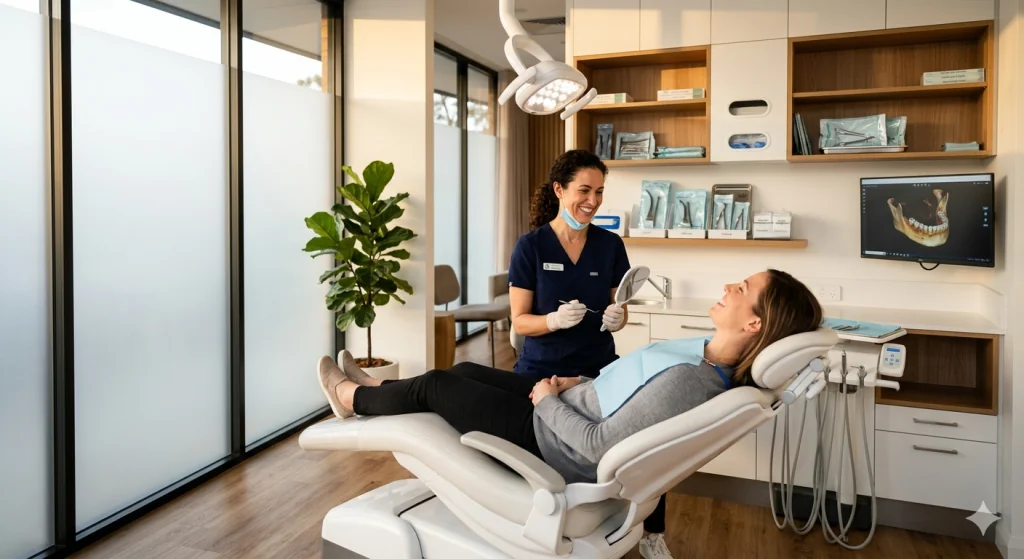
If jaw pain keeps you from enjoying meals, sleep, or conversations, this guide explains how TMJ treatment in Henderson, NV can help you find relief. Local dentists and specialists combine modern diagnostics, tailored non-surgical therapies, and advanced procedures when needed to reduce pain and restore jaw function.
You can expect a clear diagnosis and a personalized treatment plan that targets the cause of your jaw pain, not just the symptoms. Practical steps ahead include what causes TMJ disorders, how clinicians assess your condition, common conservative treatments, and when to consider advanced care.
They focus on comfort, prevention, and realistic outcomes, using patient stories and straightforward explanations to show what relief looks like. If you want next steps, the article outlines how to choose a trusted Henderson clinician and what to ask at your first appointment.
Understanding TMJ Disorders
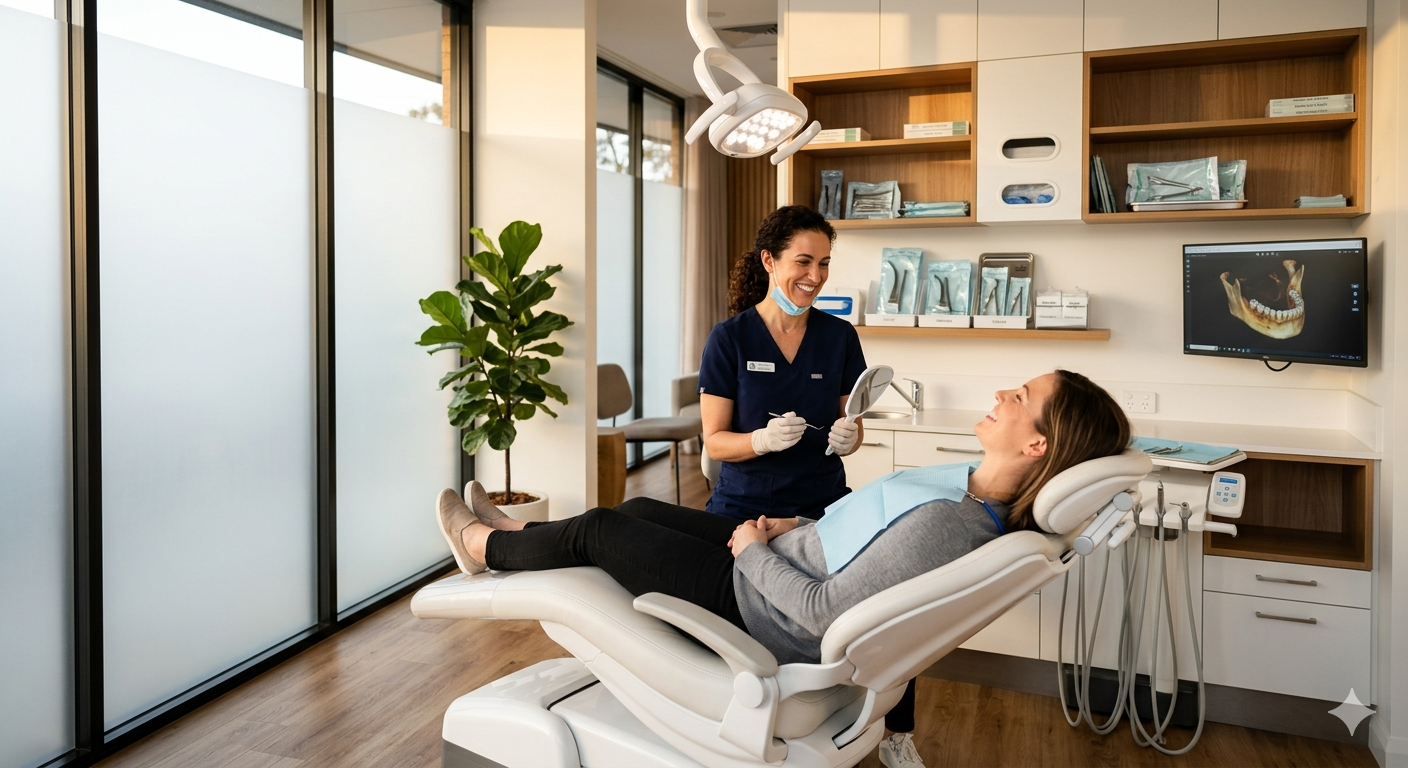
TMJ disorders involve problems with the jaw joint and surrounding muscles that control chewing and speech. They can cause pain, limited movement, and noises when opening or closing the mouth.
Common Signs and Symptoms
People often notice pain around the ear, temple, or jaw when biting, chewing, or yawning. This pain can be sharp during movement or a constant dull ache at rest.
Clicking, popping, or grating sounds when opening or closing the mouth are common and may or may not be painful. Locking of the jaw — either stuck open or stuck closed — signals a more advanced problem and needs prompt evaluation.
Headaches that start in the temples, facial tenderness when touching the jaw, and ear symptoms such as fullness or tinnitus appear frequently. Tooth wear from clenching or grinding and difficulty chewing on one side are important clues that dental evaluation should include the TMJ.
How the TMJ Functions
The temporomandibular joint is a sliding hinge connecting the temporal bone of the skull to the mandible (lower jaw). A small disc of cartilage cushions the joint, allowing smooth gliding and rotation during opening, closing, and side-to-side movement.
Muscles — including the masseter, temporalis, and pterygoids — coordinate to move the jaw. Imbalance, overuse (like grinding), or trauma can displace the disc or inflame the joint capsule and surrounding tissues.
Nerve supply in the area transmits pain signals, so inflammation or mechanical strain often produces widespread facial discomfort and headaches.
Normal jaw opening measures about 35–50 mm; reduced range or asymmetric movement suggests joint dysfunction. Clinical exams, bite analysis, and imaging (panoramic X-ray, CBCT, or MRI for soft tissue) help pinpoint whether the issue is muscular, articular (disc/joint), dental-related, or a combination.
Who Is at Risk
Adults between 20 and 40 years old show higher rates of TMJ problems, with women affected more often than men. Hormonal differences, joint anatomy, and higher reported rates of jaw pain likely contribute to this pattern.
Risk factors include parafunctional habits (bruxism, clenching), recent jaw trauma, arthritis (osteoarthritis or rheumatoid arthritis), and malocclusion or missing teeth that alter bite forces. Stress and sleep disorders that increase muscle tension also raise the chance of symptoms.
People with connective tissue disorders or a history of facial pain conditions (migraine, fibromyalgia) may experience more persistent or complex TMJ issues and benefit from multidisciplinary care.
Causes of Jaw Pain
Jaw pain often stems from mechanical stress on the joint, tooth-related problems, or underlying medical conditions. Small daily habits and specific health issues both play major roles in triggering TMJ-related discomfort.
Everyday Habits That Affect the Jaw
Clenching and grinding teeth (bruxism) places constant pressure on the temporomandibular joint and surrounding muscles. Many patients grind at night without realizing it; daytime clenching often relates to stress, posture, or bite issues.
Chewing habits also matter. Favoring one side, chewing gum excessively, or biting hard foods repeatedly strains the joint and can inflame the disc that cushions the jaw.
Poor posture—forward head position from long hours at a computer or phone—alters neck and jaw muscle balance. This pulls the jaw forward and increases muscle tension.
Poorly fitting dental work or misaligned teeth changes bite forces. Even small changes in how molars meet can shift joint loading and lead to pain over weeks or months.
Medical Conditions Linked to TMJ Issues
Arthritis, especially osteoarthritis and rheumatoid arthritis, can wear down the joint cartilage or inflame the synovial lining, causing pain and reduced movement. Imaging and clinical exams help differentiate arthritis from muscular pain.
Disc displacement within the joint creates clicking, locking, and pain when the disc no longer tracks smoothly between the condyle and the temporal bone. This often follows trauma, chronic bruxism, or structural laxity.
Neuropathic pain and chronic pain disorders, such as fibromyalgia, can amplify jaw pain perception and make local treatments less effective alone. Multidisciplinary care improves outcomes.
Dental infections, impacted teeth, and sinus inflammation can refer pain to the jaw. A dental exam, panoramic X-ray, or sinus assessment helps identify these sources quickly.
Diagnosis and Assessment Process
The clinic documents symptoms, examines jaw motion, and uses imaging when needed to pinpoint the cause of pain or dysfunction. Patients receive a clear plan for next steps based on findings and comfort priorities.
Initial Consultation Steps
The intake starts with a focused medical and dental history. Staff ask about pain location, onset, sleep habits, prior jaw injuries, and medications to identify contributing factors such as bruxism or arthritis.
A physical exam follows. The clinician observes jaw symmetry, listens for clicks or crepitus, and measures range of motion and bite alignment. Palpation of the temporomandibular joints and surrounding muscles locates tender points.
The office often uses questionnaires and pain scales. These tools quantify symptom severity and track progress. Administrative staff also reviews insurance coverage and explains appointment logistics to reduce patient stress.
What to Expect During an Evaluation
Expect targeted diagnostic tests tailored to the case. Panoramic X-rays show teeth and joint structure; CBCT (cone-beam CT) provides 3D bone detail when joint degeneration or complex anatomy is suspected.
Soft-tissue issues may require MRI to visualize disc position and muscle inflammation. The clinician orders imaging only when results will change treatment choices, avoiding unnecessary radiation.
Clinicians may perform occlusal analysis and night-guard fitting trials. They demonstrate simple jaw exercises and may recommend short-term medications for pain control. Each step concludes with a clear, written treatment proposal and follow-up options to address comfort and long-term function.
Non-Surgical Treatment Approaches
Non-surgical care for TMJ focuses on reducing pain, restoring normal jaw movement, and preventing further joint strain. Common options include custom-fitted devices, targeted habit and diet changes, and stress-reduction strategies that complement dental care.
Custom Oral Appliances
Custom oral appliances — often called night guards or stabilization splints — fit over the teeth and are made from impressions or digital scans. They distribute bite forces evenly, prevent tooth damage from grinding (bruxism), and reduce muscle strain that contributes to TMJ pain.
A dentist in Henderson will evaluate jaw alignment, wear facets, and muscle tenderness before prescribing an appliance. Appliances can be hard acrylic for long-term stabilization or softer materials for short-term relief. Adjustment visits ensure proper fit and comfort.
Patients typically wear the appliance at night; some need daytime use during high-pain periods. Benefits may appear in weeks, though dentists often reassess after 6–12 weeks to track symptom reduction and decide on further steps.
Lifestyle and Diet Modifications
Simple changes to daily habits can significantly lower TMJ stress. Avoid hard, chewy, or large-bite foods (e.g., steak, bagels, gum) and opt for softer proteins, cooked vegetables, and cut-up fruit to reduce jaw loading.
Modify oral habits: stop nail-biting, avoid lip or cheek chewing, and practice a relaxed tongue-and-teeth posture (lips closed, teeth slightly apart). Apply ice for the first 48–72 hours after flare-ups, then switch to moist heat to relax muscles.
Sleep position can matter; using a supportive pillow that keeps the head aligned reduces nighttime bracing. A dentist will pair these changes with appliance therapy or physical therapy when needed.
Stress Management and Relaxation Techniques
Stress often increases jaw clenching and muscle tension, worsening TMJ symptoms. Teachable techniques can lower subconscious clenching and improve outcomes when used daily.
Progressive muscle relaxation and guided breathing reduce sympathetic arousal that triggers clenching. Short sessions (5–10 minutes twice a day) help most patients. Biofeedback or apps that prompt relaxation breaks can reinforce new habits.
Referral to a psychologist or physical therapist occurs if stress-related behaviors persist. Combining behavioral strategies with dental treatments delivers the best symptom control and long-term prevention.
If questions arise or symptoms persist, encourage the patient to schedule an evaluation with their local Henderson dental specialist to review appliance options and tailored care plans.
Advanced Procedures for Severe Cases
These interventions target patients with persistent pain, limited jaw opening, or structural joint damage that did not respond to conservative care. They focus on predictable pain relief, improved function, and minimizing recovery time.
Injectable Therapies
Clinicians commonly use corticosteroid injections and hyaluronic acid (HA) to reduce inflammation and lubricate the joint. Corticosteroids provide rapid anti‑inflammatory effects for patients with synovitis or capsulitis, often improving pain within days; however, they limit repeated use due to potential tissue weakening. Hyaluronic acid mimics joint fluid, can decrease friction, and may improve mouth opening over several weeks with a lower risk profile for repeated treatments.
Botulinum toxin (Botox) injections treat muscle hyperactivity that contributes to pain and clenching. Small, targeted doses into the masseter and temporalis muscles can reduce bruxism-related symptoms and decrease muscle tenderness for 3–6 months. Proper injection mapping and dose titration are essential to avoid chewing weakness or asymmetry. Providers in Henderson typically combine injections with a rehabilitation plan — stretching, night guards, and follow‑up assessments — to optimize and maintain results.
Minimally Invasive Solutions
Arthrocentesis flushes the joint with saline to remove inflammatory mediators and break adhesions. It is an outpatient procedure with local anesthesia, usually completed in under 30 minutes. Patients often report immediate reduction in joint stiffness and progressive pain relief over weeks; clinicians may add HA or steroid during the same session to extend benefits.
Arthroscopy allows direct visualization and limited surgical repair inside the joint using small instruments and a camera. Surgeons can release adhesions, reposition discs, or smooth bone irregularities with minimal incisions. Recovery is typically faster than open surgery: most patients return to normal activities in days to a few weeks while following a prescribed soft‑diet and physical therapy regimen. Selection between arthrocentesis and arthroscopy depends on imaging findings, symptom duration, and the patient’s response to prior therapies.
Benefits of Early Intervention
Early care reduces the chance of painful progression and makes conservative treatments more effective. Timely action often prevents structural damage and improves daily comfort quickly.
Preventing Long-Term Complications
Treating TMJ problems early lowers the risk of joint degeneration, chronic pain, and dental wear. When a clinician addresses muscle tension, joint inflammation, or bite problems within weeks to a few months, they can often avoid invasive procedures such as arthroscopy or joint replacement.
Early intervention targets specific causes: occlusal adjustments fix bite misalignment before teeth wear down; occlusal splints redistribute pressure and protect cartilage; physical therapy restores muscle balance and range of motion. This staged approach preserves joint anatomy and reduces the likelihood of repeated flare-ups.
Patients who start treatment early also reduce the chance of referred headaches, ear pain, and sleep disruption. Monitoring progression with imaging and regular follow-ups helps the provider modify care and catch subtle changes before permanent damage occurs.
Improving Everyday Comfort
Addressing TMJ issues promptly brings faster relief from jaw pain, limited opening, and clicking sounds. Simple measures—custom night guards, targeted jaw stretches, and anti-inflammatory strategies—often reduce pain within days to weeks, allowing patients to eat, speak, and sleep more comfortably.
Early care also focuses on habit modification: reducing gum chewing, altering posture, and adjusting sleep position to limit joint stress. These practical changes complement clinical treatments and often produce measurable improvements in function and pain control.
By resolving pain and restoring motion early, patients avoid compensatory behaviors—like favoring one side while chewing—that can cause neck and shoulder problems. Quick improvements in daily comfort help patients return to normal routines and reduce anxiety about long-term disability.
Choosing a Dental Specialist in Henderson
Patients should prioritize a specialist who combines proven experience with clear communication, modern diagnostics, and a patient-centered approach. Practical factors like location, office hours, insurance acceptance, and comfort options matter for long-term care and follow-up.
Qualities to Look For
Look for a dentist or oral and maxillofacial specialist with specific TMJ experience, such as board certifications, continuing education in orofacial pain, and documented outcomes with splints, Botox, or minimally invasive procedures. Proven experience with bite analysis, jaw MRIs, and joint arthroscopy shows they use diagnostics beyond basic exams.
Evaluate the clinic’s technology: digital bite scanners, cone-beam CT, and electronic records improve diagnosis and track progress. Patient comfort features — nitrous oxide, heated neck pillows, and clear pain-management plans — reduce anxiety and improve cooperation.
Check reviews that mention consistent, timely communication, willingness to explain options, and transparent fee estimates. Ask about multidisciplinary collaboration with physical therapists, ENT specialists, and pain management when complex cases arise.
Questions to Ask During Your Visit
Ask directly: “How many TMJ cases like mine have you treated in the past year?” and “Which diagnostics will you use to confirm my diagnosis?” Specific answers help distinguish routine dentists from TMJ-focused clinicians.
Request a clear treatment pathway: timelines, expected outcomes for conservative care (splints, nightguards, physical therapy), indications for injections or surgery, and measurable follow-up assessments. Ask about success rates and possible side effects for each option.
Clarify logistics: average wait time for first appointment, follow-up frequency, insurance and out-of-pocket estimates, and emergency access after hours. Finally, ask how the practice coordinates care with other providers and whether they provide patient education materials or at-home exercises to support recovery.
Patient Experiences and Success Stories
Many patients in Henderson describe relief after starting TMJ treatment. One woman reported reduced jaw pain and fewer morning headaches after a custom nightguard and guided physical therapy. She felt more comfortable eating and sleeping within weeks.
A middle-aged man found success with a combination of muscle relaxant therapy and bite adjustment. His symptoms improved gradually; he regained full jaw function and returned to normal daily activities. He appreciated clear explanations and step-by-step care from his dental team.
Patients often highlight comfort and communication as decisive factors. Staff who explain options, show expected timelines, and answer questions help reduce anxiety. This supportive approach makes treatment feel manageable.
Below are short, anonymized snapshots from local cases:
- Patient A: chronic jaw pain → nightguard + home exercises → pain down 70% in 6 weeks.
- Patient B: frequent popping → physical therapy + occlusal adjustment → popping reduced, eating easier.
- Patient C: severe headaches → comprehensive assessment + stress-management strategies → headache frequency decreased.
Many share one common note: realistic expectations matter. Treatments typically require multiple visits and at-home care. Patients who follow instructions and maintain follow-up appointments tend to report the best outcomes.
Readers are encouraged to ask their dental provider about individualized TMJ plans. A consultation can clarify which combination of treatments fits their symptoms and lifestyle.
Next Steps Toward Relief
They should start with a focused evaluation by a qualified Henderson dental or TMJ specialist. A short clinical exam and a discussion of symptoms helps pinpoint whether the pain comes from muscles, joints, bite alignment, or referred sources.
Conservative care usually comes first. This can include night guards, targeted jaw exercises, thermal therapy, and short-term anti-inflammatory medications to reduce pain and improve function.
If symptoms persist, imaging or referral may be recommended. Panoramic X-rays or CBCT scans clarify structural issues, while a physical therapist or pain specialist can offer complementary approaches.
The clinician may propose a personalized treatment plan based on findings. That plan often emphasizes reversible steps before any permanent dental work, and it focuses on comfort and restoring normal jaw movement.
Patients can take simple actions at home while pursuing care. Avoid hard or chewy foods, practice gentle jaw stretches several times daily, and keep a pain diary to share with the provider.
They should schedule a consultation to discuss options and timelines. Most practices in Henderson offer a first visit that explains likely causes and next steps, so patients leave with a clear plan and practical ways to feel better.
Frequently Asked Questions
This section answers practical concerns about diagnosing, treating, and preventing TMJ problems in Henderson, NV. It covers who to see, common warning signs, cost factors, effectiveness of night guards, non-surgical options, and home strategies for reducing flare-ups.
Which type of specialist should I see for jaw pain and clicking?
A dentist with training in TMJ disorders or an orofacial pain specialist typically handles jaw pain and joint sounds. Oral and maxillofacial surgeons evaluate severe structural issues, while physical therapists and ENT doctors may assist when muscle, neck, or airway problems contribute.
What are the most common signs that a jaw problem needs professional care?
Persistent pain around the ear or jaw for more than two weeks warrants evaluation. Limited mouth opening, frequent clicking or locking, headaches linked to chewing, and pain that affects sleep or eating are red flags.
How much does treatment typically cost, and what factors affect the price?
Initial consultations usually range from $75–$250 depending on the clinic and diagnostic imaging needed. Costs rise with imaging (panoramic X-ray $100–$300; CBCT $300–$800), specialist visits, custom appliances, or procedures. Insurance coverage varies; many plans cover diagnostic visits and some treatments but not all appliances or surgical interventions.
Can a custom night guard help, and how long does it usually take to feel relief?
A custom night guard often reduces grinding and eases muscle strain within 2–6 weeks for many patients. Relief timing depends on the severity of clenching, guard fit, and adherence to wearing it nightly; adjustments by the dentist can improve comfort and results.
What non-surgical treatments are available before considering anything more involved?
Common non-surgical treatments include custom oral appliances, physical therapy, targeted jaw exercises, medications for muscle relaxation or pain, and trigger-point massage. Botox injections and occlusal adjustments are other options used selectively when conservative care falls short.
How can I prevent flare-ups at home, and when should I book an evaluation?
Avoid hard, chewy foods and wide yawning to reduce joint strain. Practice relaxed jaw posture, use warm compresses, and perform gentle jaw-stretching exercises daily. Schedule an evaluation if pain persists beyond two weeks, locking occurs, or daily activities like eating and sleeping are affected.