




Pediatric Dentist Henderson NV — Gentle, Expert Care for Your Child’s Smile

You want a pediatric dentist in Henderson, NV who understands children, uses gentle modern techniques, and helps prevent problems before they start. Choosing a specialist nearby makes appointments easier, reduces stress for both you and your child, and ensures care tailored to developmental dental needs.
They explain common treatments, prepare you for the first visit, and offer ways to calm anxiety so your child feels safe. Expect practical tips on finding a trusted pediatric dentist in Henderson, what specialized services may be available, and how to support healthy habits at home.
Why Pediatric Dentistry Matters
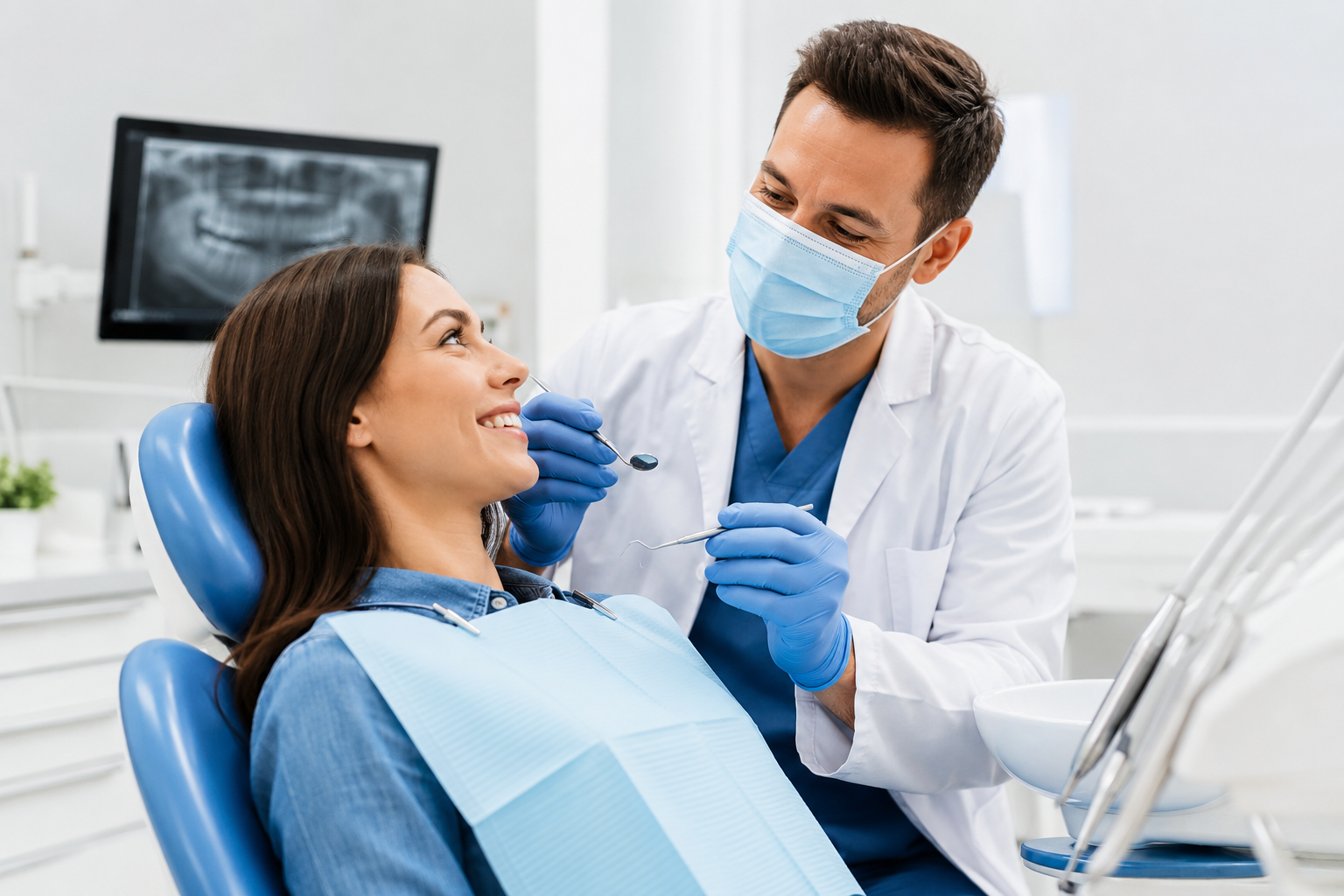
Pediatric dental care prevents common childhood problems, supports healthy growth, and creates positive experiences that shape lifelong habits. It combines prevention, development monitoring, and gentle behavior guidance to keep children’s mouths healthy.
Early Prevention for Lifelong Health
Early visits identify decay, bite issues, and risk factors before they become complex problems. For example, dentist-led guidance on bottle weaning, brushing technique for toddlers, and dietary changes can reduce decay risk by addressing sugar exposure and poor brushing habits.
Fluoride varnish applications and sealants provide measurable protection for children’s teeth. These treatments reduce new cavities in primary and permanent teeth and fit easily into routine checkups.
Regular checkups also let clinicians monitor jaw and tooth development. Detecting early crowding or tooth loss patterns allows timely interventions like space maintainers or referral for orthodontic evaluation, often simplifying later treatment.
The Role of Specialized Training
Pediatric dentists complete two to three years of additional residency training after dental school focused on child growth, behavior management, and pediatric oral pathology. This training equips them to treat infants, children with special needs, and adolescents with tailored approaches.
They learn sedation and emergency protocols appropriate for children, plus techniques for making exams less stressful. Familiarity with child psychology helps pediatric dentists reduce anxiety and build cooperation during procedures.
Their training includes preventive counseling for parents on nutrition, oral hygiene, and injury prevention. That practical advice translates into daily routines that protect teeth and support overall health.
How Pediatric Dentists Differ from General Dentists
Pediatric dentists use child-sized instruments, shorter appointment formats, and exam rooms designed to feel non-threatening. These practical differences help children tolerate care and cooperate during treatments like fillings or extractions.
They emphasize family-centered education—demonstrating brushing for caregivers, creating individualized recall schedules, and coordinating care with pediatricians. This coordination ensures consistent messaging about medication, growth, and habits that affect oral health.
Pediatric specialists also manage growth-related issues such as early loss of baby teeth, pacifier-related malocclusion, and dental trauma. They prioritize treatments that preserve development and reduce the need for extensive future procedures.
If questions arise about local pediatric dental services, scheduling a consultation helps address concerns and plan age-appropriate care.
Common Treatments and Services
Pediatric dental care in Henderson focuses on comfortable exams, preventive steps like fluoride and sealants, and gentle cavity treatment when needed. These services aim to protect developing teeth, reduce anxiety, and keep visits short and effective.
Gentle Exams and Cleanings
Children receive an exam that checks growth, bite alignment, and tooth development using age-appropriate explanations and instruments. The dentist or hygienist performs a gentle cleaning with a soft-bristled brush and low-speed polish to remove plaque and surface stains without irritating sensitive mouths.
Appointments include bitewing or panoramic X-rays when indicated to detect decay between teeth or track development. Staff use distraction techniques, short instructions, and positive reinforcement to keep children calm. Parents get a clear, written summary of findings, home-care tips, and a recommended recall interval based on risk.
Fluoride and Sealant Applications
Topical fluoride varnish is applied in a thin coat to strengthen enamel and reduce cavity risk; application takes a minute and children can usually eat normally after 30–60 minutes. The team tailors fluoride frequency—every three to six months—based on each child’s decay risk and fluoride exposure at home.
Sealants are thin resin coatings placed on molar grooves to block food and bacteria. The process is quick: teeth are cleaned, dried, and the sealant cured with a light. Sealants typically last several years and the office checks them at regular visits, repairing chips or wear as needed to maintain protection.
Cavity Care and Prevention
When cavities appear, the practice emphasizes conservative treatment: removing decay while preserving as much tooth structure as possible. For small lesions, they use tooth-colored composite fillings; for extensive decay, stainless-steel or tooth-colored crowns restore strength and shape.
Behavior management options—nitrous oxide, topical and local anesthesia, or sedation when necessary—help children tolerate treatment comfortably. The dentist provides a clear aftercare plan: pain control, eating guidelines, and signs of complications. Preventive counseling reinforces brushing technique, flossing, diet changes, and a personalized recall schedule to reduce future cavities.
If families want to schedule a visit or ask about these services, the office encourages them to call or request an appointment online.
Navigating Your Child’s First Visit
This section explains practical steps parents can take before arrival and what typically happens during the exam, cleaning, and any minor treatments. It focuses on clear actions, sensory expectations, and communication tips to keep the appointment calm and productive.
Preparing Kids for the Dentist
Parents should give a short, honest explanation of the visit: checkup, cleaning, and meeting the dentist who helps teeth stay healthy. Use simple phrases like “we’ll count and clean your teeth” rather than words such as “hurt” or “shot.”
Read a children’s book about the dentist or watch a brief, age-appropriate video the night before to normalize the setting and instruments. Role-play at home with a toothbrush and a stuffed animal so the child practices opening wide and sitting still.
Bring comfort items: a favorite toy, blanket, or a small reward for after the visit. Complete any new-patient forms online beforehand to reduce waiting time and bring a list of current medications, allergies, and birth history if applicable.
Arrive a few minutes early to let the child explore the reception area and meet staff; this reduces anxiety and speeds cooperation during the appointment.
What to Expect During the Appointment
The visit usually begins with a warm greeting and a short tour of the operatory so the child sees the chair and tools. A dental assistant or hygienist will take a gentle health history and may photograph the teeth or take X-rays if needed, using child-safe, low-dose equipment.
The hygienist performs a gentle cleaning with a small brush and fluoride polish, explaining each step in positive language and using distraction techniques like conversation or a favorite song. The dentist performs a quick, pain-free exam to check tooth eruption, bite, and early signs of cavities.
If fluoride varnish or sealants are recommended, staff will explain the benefits and apply them during the same visit whenever possible. Parents receive clear, written aftercare instructions and individualized home-care tips, such as brushing technique, flossing start age, and diet changes to reduce sugar exposure.
Staff will schedule the next recall visit and answer questions about teething, pacifier use, or orthodontic screening, encouraging parents to call with concerns between appointments.
Comfort and Anxiety-Free Care
The office focuses on calm visits, clear explanations, and modern tools to reduce fear and keep children comfortable. Staff use friendly language, predictable routines, and painless techniques to build trust from the first visit.
Age-Appropriate Communication
Staff speak to each child at a level that matches their age and development. For toddlers, they use simple words like “tooth tickle” or “sparkle brush” and mirror the child’s tone to create safety. For school-age children, they provide short explanations of each step and invite questions, which helps the child feel in control.
Clinicians also talk directly with parents about what to expect and how to prepare at home. They give practical tips — for example, avoid discussing “shots” in front of a child and read a short, positive book about the dentist the night before. Progress is documented so future visits reference what worked, such as a favorite toy or preferred distraction.
Modern Tools for Gentle Treatment
The practice uses contemporary equipment designed to minimize discomfort. Topical anesthetic gels and vibration anesthetic devices reduce injection sting. For many procedures, they use fast-curing, child-friendly filling materials that shorten chair time and lower the chance of repeat visits.
They also offer nitrous oxide (laughing gas) with clear dosing and monitoring for anxious patients, plus digital X‑rays that cut radiation exposure by up to 80% compared with traditional film. Open communication accompanies each tool: technicians explain how the device works, show it to the child, and obtain consent from the parent before use.
Finding the Right Specialist in Henderson
Families should look for a pediatric dentist who combines clinical skill, gentle behavior guidance, and modern safety standards. Important factors include training, office environment, insurance acceptance, and experience with specific needs like special needs dentistry or early orthodontic assessment.
Questions to Ask at Your Consultation
Ask about the dentist’s board certification and years focused on pediatric care to confirm pediatric-specific training and experience. Inquire whether the practice is a member of the American Academy of Pediatric Dentistry (AAPD) and how often staff complete child-behavior and sedation safety training.
Clarify the office’s approach to behavior management: what techniques they use (tell-show-do, distraction, positive reinforcement) and their policy on using nitrous oxide or protective stabilization. Request details about emergency protocols, hospitalization arrangements, and how they handle children with anxiety or sensory sensitivities.
Confirm billing and logistics: which insurance plans they accept, whether they file claims for you, and available financing or sliding-scale options. Finally, ask about preventive care plans, timing for x-rays, and typical follow-up intervals for routine visits and restorative work.
What Sets Top Providers Apart
Top pediatric dentists in Henderson maintain a child-centered office design with age-appropriate equipment and sensory-friendly accommodations. Waiting areas, treatment rooms, and staff training all reflect a focus on reducing fear and improving cooperation during visits.
They document measurable outcomes like low sedation rates, high preventive care compliance, and timely referrals to pediatric specialists or orthodontists when needed. They also offer clear written care plans for parents, including toothbrushing demonstrations, individualized fluoride recommendations, and diet counseling tailored to local dietary habits.
Communication stands out: top providers send appointment reminders, provide bilingual materials when needed, and follow up after procedures. They invite questions, review treatment options with visuals, and schedule brief pre-visit tours for particularly nervous children to build trust before treatment.
Specialized Services for Unique Needs
The practice provides targeted care for children who need extra medical, behavioral, or developmental support and offers urgent treatment for tooth pain, trauma, and infections. Staff adapt scheduling, communication, and environment to reduce stress while using sedation and emergency protocols when needed.
Care for Kids With Special Healthcare Requirements
The team creates individualized care plans for children with autism, cerebral palsy, Down syndrome, congenital heart conditions, and complex medical histories. They coordinate with pediatricians and specialists, review medications and allergy lists, and plan shorter, timed appointments to match the child’s tolerance and routine.
Behavior guidance techniques include visual schedules, social stories, and sensory-friendly rooms with dim lighting and weighted blankets when appropriate. The clinic maintains experience with inhalation sedation (nitrous oxide), oral conscious sedation, and working with anesthesiologists for general anesthesia when dental needs and medical risk require it.
Billing staff assists families with prior authorizations and navigating Medicaid/CHIP, private insurance, and special-needs dental benefits. Caregiver training covers at-home oral hygiene adaptations, adaptive toothbrushes, and step-by-step routines to reduce decline between visits.
Emergency Dental Services
The office accepts same-day appointments for severe tooth pain, fractured or knocked-out primary and permanent teeth, and swelling that threatens breathing or swallowing. Triage begins by phone to assess bleeding, pain level, and signs of infection so the team can prepare appropriate supplies and staff before arrival.
Treatment options include pain control, temporary and permanent restorations, splinting for avulsed teeth, root canal therapy on permanent teeth, and incision/drainage with antibiotics for abscesses. They follow AAPD and ADA guidelines for replanting knocked-out teeth and provide clear home-care instructions plus follow-up schedules.
For after-hours emergencies, the clinic provides an on-call number and coordinates referrals to hospital-based dental services when IV sedation or operating room access is necessary. Families receive written care plans, emergency contact cards, and guidance on when to seek immediate medical attention.
Supporting Healthy Habits at Home
Simple, consistent at-home habits protect growing teeth and make dental visits easier. Focus on effective brushing and flossing, balanced snacking, and calm routines that build lifetime habits.
Building a Child-Friendly Oral Care Routine
Choose a soft-bristled, age-appropriate toothbrush and a smear of fluoride toothpaste for children under 3, increasing to a pea-sized amount at ages 3–6. Brush twice daily for two minutes; a built-in timer, a favorite song, or a small sand timer helps maintain the full time without nagging.
Use gentle back-and-forth strokes on baby teeth and short circular motions on erupting molars. Supervise brushing until a child reliably manages the technique—typically around 7–8 years old. Floss once daily as soon as teeth touch; use floss picks or interdental brushes if those are easier for caregivers.
Schedule brushing and flossing as part of morning and bedtime rituals tied to other actions (e.g., after breakfast, before pajamas). Replace toothbrushes every three months or after illness, and bring a travel brush for naps, sports, or family outings.
Parent Tips for Positive Dental Attitudes
Model calm, matter-of-fact behavior during brushing and checkups to reduce dental anxiety. Let children choose a toothbrush color or character and practice brushing on a stuffed animal first to make the process familiar.
Offer specific praise: “You brushed the chewing surfaces well,” rather than vague rewards. Avoid using sweets as a reward for dental behavior; instead offer stickers or extra storytime. When a child resists, break tasks into smaller steps—brush one quadrant, then the next—and acknowledge effort.
Maintain realistic snack rules: limit sticky snacks, encourage water between meals, and pack lower-sugar options for school. Schedule the first dental visit by the first birthday and keep six-month checkups to reinforce routine and catch problems early.
Connecting With Local Resources
Families in Henderson, NV can find reliable pediatric dental care through several local channels. Community health centers, school health programs, and referral networks often maintain up-to-date lists of pediatric dentists and specialists.
Many clinics offer sliding-scale fees or accept Medicaid and CHIP, which helps make care affordable for more children. Parents should call clinics directly to confirm insurance acceptance and any required documentation.
Local parent groups and neighborhood social platforms provide first-hand recommendations and practical tips about office atmosphere, dentist communication style, and child-friendly amenities. These personal experiences can help families choose a provider who prioritizes comfort and patience.
The Southern Nevada Health District and nearby hospitals publish directories and educational materials on pediatric oral health. Those resources explain preventive measures like fluoride use and sealants in straightforward terms.
Quick checklist to use when contacting resources:
- Ask about experience with infants, special needs, or dental anxiety.
- Confirm appointment availability and emergency hours.
- Inquire about sedation options and comfort techniques.
- Verify insurance, payment plans, and any required forms.
Parents encouraged to schedule an introductory visit to meet the team and tour the office. That brief step often eases children’s anxiety and helps families feel confident about ongoing care.
Frequently Asked Questions
This section answers practical questions parents commonly ask about pediatric dental care in Henderson, NV — choosing a dentist, timing of visits, managing anxiety, X-ray safety, preventive treatments, and early orthodontic signs. Each answer gives clear steps, what to expect at the office, and when to call a specialist.
How do I choose the right dentist for my child, and what should I look for at the first visit?
Look for a pediatric dentist licensed in Nevada with specific training in children’s dentistry and behavior guidance. Read local reviews, check office photos for kid-friendly spaces, and confirm the practice accepts your insurance or offers transparent self-pay options.
At the first visit expect a gentle exam of teeth, gums, bite, and oral habits, plus an age-appropriate cleaning if tolerated. The team will discuss home care, diet, fluoride use, and schedule follow-up intervals based on caries risk.
At what age should my child have their first dental checkup, and how often should we come in after that?
The American Academy of Pediatric Dentistry recommends a first checkup by the first tooth’s appearance or by the child’s first birthday. After that, routine exams are typically every six months for most children, though high-caries-risk kids may need visits every three to four months.
The dentist will tailor the interval based on decay risk, developmental milestones, and any ongoing treatments like sealants or fluoride varnish.
What can I do to help my child feel calm and comfortable if they’re anxious about the dentist?
Prepare with simple, honest explanations about what will happen, using playful but accurate language — for example, “the dentist will count and clean your teeth like a quick tooth check.” Bring a favorite toy or blanket, and schedule appointments at a time of day when the child is well-rested and fed.
Let the dental team know about the child’s fears; many pediatric practices use tell-show-do, distraction, and parental presence to reduce anxiety. For severe anxiety, the dentist may offer nitrous oxide or refer to a specialist for behavior management techniques.
Are dental X-rays safe for kids, and how do you keep radiation exposure as low as possible?
Dental X-rays use very low radiation and remain safe when clinically justified. Practices in Henderson follow ALARA principles — “as low as reasonably achievable” — using fast digital sensors, lead aprons with thyroid protection, and limiting images to what’s necessary for diagnosis.
Decisions about frequency depend on age, risk of decay, development of teeth, and symptoms; routine bitewing X-rays often occur every 6–24 months depending on those factors.
What are dental sealants and fluoride treatments, and do they really help prevent cavities in children?
Sealants are a thin protective coating applied to the chewing surfaces of molars to block food and bacteria from deep grooves. Fluoride treatments strengthen enamel to resist acid attack; these come as varnishes applied in the office or topical gels during cleanings.
Multiple studies show sealants and in-office fluoride varnish reduce cavities significantly, especially in school-aged children with newly erupted molars. The dentist will recommend these based on the child’s cavity history and risk profile.
When should my child see an orthodontist, and what early signs suggest they might need braces later on?
The American Association of Orthodontists suggests an orthodontic screening by age 7, when permanent molars and incisors begin to appear. Early signs include persistent thumb sucking past age 4, difficulty chewing, crowded or widely spaced teeth, crossbites, and jaw asymmetry.
An early evaluation doesn’t always mean immediate treatment, but it lets specialists monitor growth and recommend interceptive treatment if it can reduce complexity later. Parents should ask the pediatric dentist for a referral when these signs appear or when growth concerns arise.