




Why Do Our Cheeks Swell Following Oral Surgery?
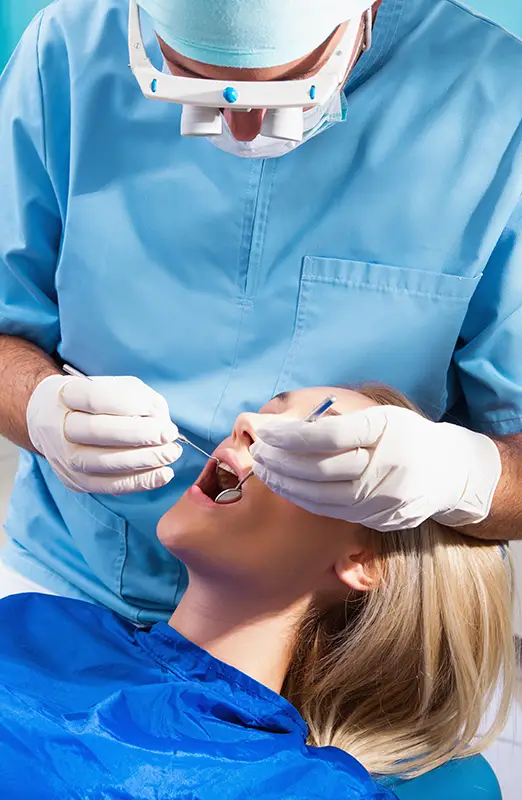
There are various side effects of oral surgery. Apart from the headaches and pain, you might also experience swollen cheeks. These should not worry you since it is a normal body reaction. However, you need to know the extent and the cause to know when it is a dental emergency. Read on to understand why your cheeks swell after oral surgery.
Why Cheeks Swell
The main reason your cheeks swell after an oral surgery is that your body is attempting to repair the damaged tissues. In most cases, an oral surgery is often a traumatic experience on the body, and, in turn, it tries to heal the site of the procedure as quickly as possible. As much as swelling can be painful and uncomfortable, you should know that it is a normal and perfectly healthy response. It is simply a process that shows your body is trying to recover from the procedure.
Perhaps, the main concern you might have after experiencing swollen cheeks is how long the swelling will last. Luckily, the swelling of the cheeks after oral surgery doesn’t last for long. It is expected that the swelling will peak around 36 hours after the procedure. Even though you may have the swelling for a few days, it will not get any worse. However, if you notice that the swelling is getting worse with time, it could be a sign of an infection. Therefore, if you experience any of these symptoms, contact our offices for assistance.
Call Us Today
As much as swelling of the cheeks is a normal part of the oral surgery process, there are several ways you can manage it. We can prescribe certain medications that will help reduce the swelling. Also, you can apply simple home remedies, such as applying a hot compress to your cheek three days after your surgery, to help contain it. You also try to keep your head elevated whenever you lie down. This will help reduce the pressure on the swollen cheeks. Visit our offices for more information on swollen cheeks after undergoing oral surgery.