



Do You Know Why Your Jaw Is Swollen?
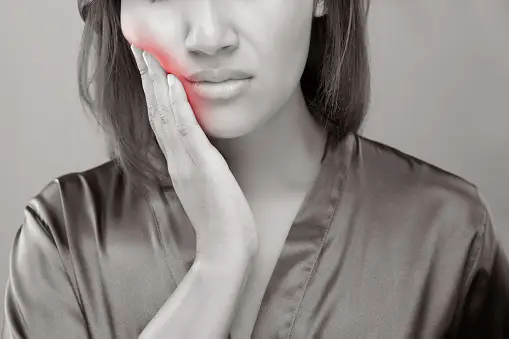
A lump or swelling near your jaw can cause your jaw to look fuller than usual. This may make it feel stiff, painful, and tender around the neck and face area, causing discomfort. Some of the potential causes of a swollen jaw include infections, injury to the tooth, and a tooth abscess.
Infections
Usually, lymph nodes located close to the site of infection will swell in response to the infection. Thus, if you contract a viral infection such as a common cold or mumps, your jaw will swell in addition to fever, headache, and sore throat. Bacterial infections such as tonsillitis will also cause the tonsillar lymph nodes in your neck to swell and will require antibiotic treatment.
Injury To The Tooth and Jaw
Injury resulting from a fall or blow to your face can cause jaw swelling. Facial trauma is a major cause of a broken jaw. This trauma could result from physical assault or blows to your face, sports injury, motor accidents, industrial accidents, or accidental falls. If the injury causes your jaw’s dislocation, you might experience difficulty opening or closing your mouth. Injuries, whether accidental or intentional, may cause overcrowding and decay, which may result in swelling. This swelling will usually last for a few days and is manageable with pain medication.
If your wisdom tooth fails to erupt or partially erupts, it lifts the gum flap, trapping food particles and bacteria. If untreated, the bacteria may cause infection and swelling of your gums, causing your jaw to swell.
Symptoms Of A Broken Jaw
An injury to one or both joints connecting your lower jawbone to the skull can result in a fractured or broken jawbone. These joints are called temporomandibular joints (TMJ). If your jaw is broken after an accident, you will experience pain and swelling as the immediate symptoms. Jaw swelling may affect your whole face, making your jaw stiff and painful.
You may also bleed through your mouth, and the blood can block your airways, causing difficulty in breathing. You are chewing, and speech capabilities will also be affected, and, in severe cases, you may have limited or no jaw mobility. In addition to the swelling, you will experience numbness in your gums and face. The shape of your face may also be distorted, and your teeth may loosen or fall out. If broken, you will experience difficulties with eating and breathing; hence, the need to seek treatment.
Tooth Abscess
A tooth abscess occurs when bacteria finds its way to your tooth pulp, forming a pus pocket. Tooth decay, chipped or broken tooth, and openings on the tooth enamel are some of the triggers of an abscessed tooth. An abscess causes swelling around the gum of the affected tooth and should be drained immediately by a professional to prevent further complications. If untreated, the abscess can spread to the jaw and other tissues.
When To Seek Treatment
You will experience symptoms after breaking your jaw, but you will still require a diagnosis before concluding your jaw is broken. If you experience facial trauma accompanied by significant pain, bleeding, or difficulty speaking and chewing, you should visit us for evaluation of a broken jaw.
We will conduct a physical examination and X-ray to check the extent of the damage. The physical examination comprises an observation of any facial deformities, swelling, and bruising. We will also feel your jaw using our hands to establish the broken spot. Using the X-ray, we will identify the broken part of your jaw and the extent of damage, then plan a corrective surgery to fix it. For more details on the symptoms and treatment of a broken jaw, contact our office today.